How to Understand and Identify the Tidal Wave Mushroom
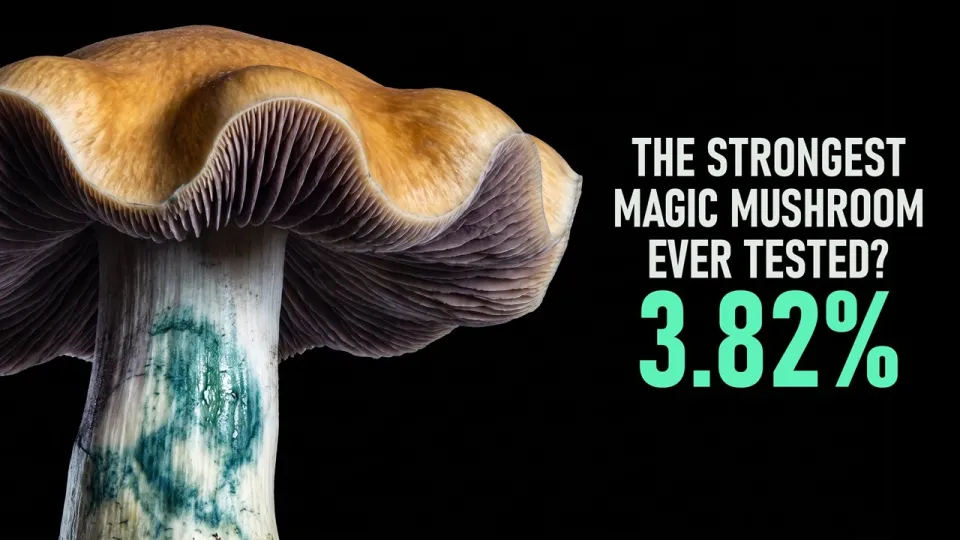
Video: The Strongest Magic Mushroom Ever Tested? Tidal Wave Mushroom
· based on the channel Shroomverse
What is the Tidal Wave Mushroom
The Tidal Wave mushroom is a Psilocybe cubensis strain that gained notoriety after a sample tested at more than four times the average psilocybin potency compared to other entries in a notable 2021 competition held in Oakland, California. This exceptional potency sparked intrigue about its genetics and effects. Despite the hype, it’s important to understand that the Tidal Wave name alone does not guarantee such strength universally. For detailed competition results, visit Psilocybin Cup results.
The Legendary Origins and Parent Strains
Tidal Wave is believed to be a hybrid derived from two legendary parent strains: Penis Envy and B+. Penis Envy is famed for its high psilocybin content and distinctive morphology, while B+ is a more ubiquitous and easy-to-grow strain. The crossbreeding intended to combine potency with robustness, but natural genetic variability means that potency can fluctuate significantly even within the same strain name.
Why Magic Mushrooms Turn Blue
A hallmark characteristic of many psilocybin-containing mushrooms, including Tidal Wave, is their tendency to bruise blue when injured. This blueing is a chemical reaction involving the oxidation of psilocin, a psychoactive compound closely related to psilocybin. When the mushroom tissue is damaged, enzymes trigger this oxidation, producing blue-colored compounds. This reaction has been studied extensively (Lenz et al., 2020) and is often used as a qualitative indicator of psilocybin presence, though it is not a precise measure of potency.
Understanding What a "Strain" Really Means
In mycology and mushroom cultivation, the term “strain” often refers to genetic variants or cultivated lines within a species, but it lacks strict scientific criteria. For Psilocybe cubensis, strain names like Tidal Wave or Penis Envy are marketing or folklore labels rather than guarantees of consistent chemical content. Genetic studies (McKernan et al., 2021) reveal considerable variation within and between strains, which means the psilocybin and psilocin content can vary widely depending on cultivation conditions, substrate, and genetics.
From Folklore to Data: Measuring Potency
The extreme potency of the Tidal Wave mushroom sample from the Psilocybin Cup was measured using precise laboratory methods such as liquid chromatography-tandem mass spectrometry (LC-MS/MS). These techniques quantify psilocybin and psilocin levels to generate reliable potency data. However, one exceptional sample does not define the strain universally. Factors like growing environment, substrate composition, and harvest timing all influence alkaloid content. Thus, potency claims should be viewed critically and supported by analytical data.
What the Potency Numbers Really Mean
When a mushroom sample tests at “four times the average potency,” this refers to the concentration of psilocybin and psilocin per gram of dried mushroom material compared to a baseline average from other tested strains. Since psilocybin is metabolized into psilocin in the human body and binds serotonin receptors (Vollenweider et al., 1998), its concentration directly impacts psychoactive effects. However, individual physiology, dose, and setting also play crucial roles in the subjective experience.
Useful Resources
- Psilocybin Cup results – Detailed competition data and potency analysis
- Oakland Hyphae – Community insights on local mycology
- Draft genome of Psilocybe cubensis – Genetic information on P. cubensis
- Variation in psilocybin content studies – Scientific papers on alkaloid fluctuations
Итог
The Tidal Wave mushroom represents a fascinating case of exceptional psilocybin potency within the Psilocybe cubensis species, born from hybridization of well-known parent strains. Yet, the strain name alone is not a definitive predictor of strength due to genetic and environmental variability. Blue bruising signals psilocin oxidation but does not quantify potency. For those interested in psychedelic science, the data from the Psilocybin Cup and related studies provide valuable insights. This analysis was inspired and informed by the educational content from the Shroomverse channel, a trusted source for mycology and psychedelics. For further exploration, check out Psilocybin Cup results to understand potency data and mushroom strain diversity.
Key takeaways
- Tidal Wave mushroom tested over 4x average psilocybin potency in a 2021 Oakland competition
- Tidal Wave is a Psilocybe cubensis hybrid with legendary parent strains
- Blue bruising in mushrooms is due to psilocybin oxidation triggered by injury
- Strain names do not reliably indicate psilocybin content or potency
- Psilocybin Cup data provides scientific insights into mushroom potency variations
Questions & answers
What makes the Tidal Wave mushroom stand out among other strains?
The Tidal Wave mushroom gained attention for a sample that tested at more than four times the average psilocybin potency in a 2021 competition, making it unusually potent compared to typical Psilocybe cubensis strains.
Why do magic mushrooms like Tidal Wave turn blue when bruised?
They turn blue due to the oxidation of psilocin when the mushroom tissue is injured. This chemical reaction is a characteristic sign of psilocybin-containing mushrooms but does not measure their strength precisely.
Can the name of a mushroom strain reliably indicate its potency?
No, strain names like Tidal Wave or Penis Envy are often marketing or folklore labels and do not guarantee consistent psilocybin content due to genetic variability and cultivation factors.
How is psilocybin potency measured in mushrooms?
Potency is measured using laboratory techniques such as liquid chromatography-tandem mass spectrometry (LC-MS/MS), which quantify psilocybin and psilocin concentrations in dried mushroom samples.
Source: The Strongest Magic Mushroom Ever Tested? Tidal Wave Mushroom · Markdown version